

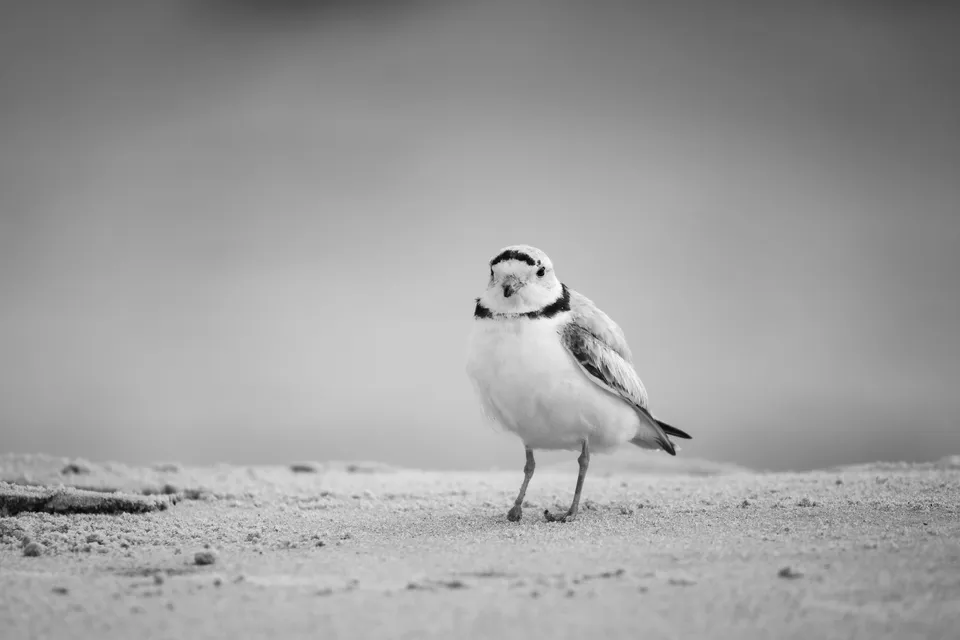
For the first time since 1977, a pair of Great Lakes piping plovers was observed nesting at Wisconsin Point in Superior, Wisconsin. The Wisconsin Department of Natural Resources announced the return on August 25, calling it a significant milestone for a shoreline habitat that agencies and local volunteers have spent years rebuilding and caring for.
The birds chose an isolated stretch of sand and cobble created inside the state-owned Wisconsin Point Bird Sanctuary. In 2019, workers placed more than 87,000 cubic yards of clean material dredged from the Duluth-Superior Harbor navigation channel along an existing sand spit. The project created 14 acres of nesting and foraging habitat designed around the plovers' specialized needs.
A harbor project built for recovery
The U.S. Army Corps of Engineers, U.S. Fish and Wildlife Service, Wisconsin DNR, St. Louis River Alliance and U.S. Environmental Protection Agency invested $4.5 million in creating and maintaining the site, with support from the Great Lakes Restoration Initiative. The work is part of the larger effort to repair environmental damage in the St. Louis River Area of Concern.
Community care has continued long after the construction equipment left. The St. Louis River Alliance has worked with federal, state and local partners for 14 years on seasonal monitoring, habitat maintenance, public education and volunteer workdays. Volunteers remove unwanted vegetation, manage woody debris and watch for plover activity so protective measures can be deployed when needed.
A milestone, not a finish line
The Great Lakes population remains endangered and vulnerable to habitat loss, predators and disturbance. Wisconsin Point closes its protected nesting area to the public during the active breeding season, generally from April 1 through August 24, to protect birds, eggs and young.
The DNR reported record Great Lakes totals this year, including 99 breeding pairs and at least 160 wild chicks fledged. Those regional numbers should not be read as proof that the Wisconsin Point pair raised chicks. What the nesting does show is narrower and still worth celebrating: after practical habitat construction and years of local stewardship, the birds found their way back.
Reader responses