

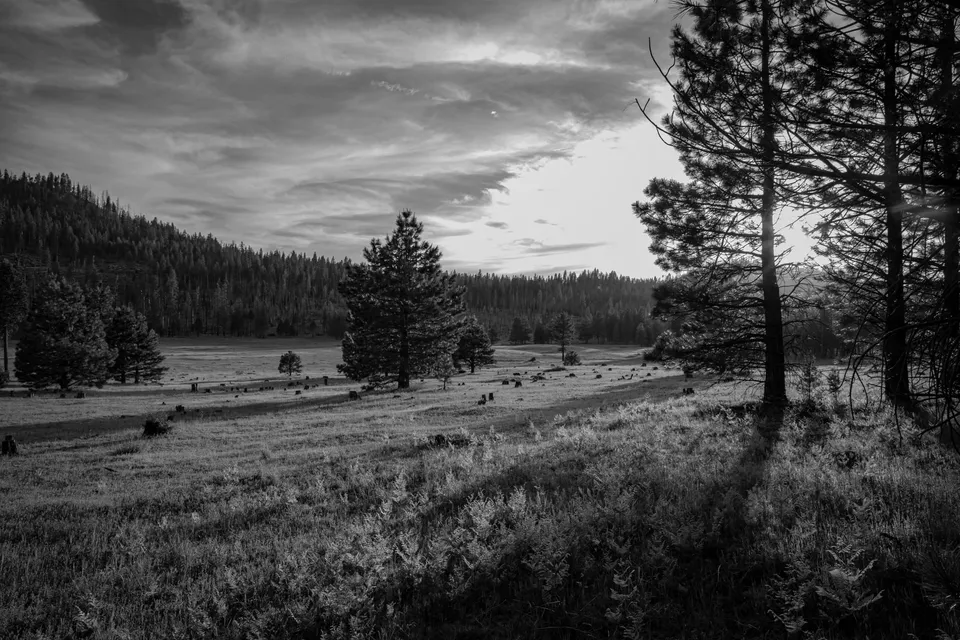
Across the United States, neighbors are getting ready to spend a Saturday caring for the parks, trails, waterways and historic places they share.
National Public Lands Day is scheduled for September 26, 2026. The National Environmental Education Foundation calls it the country's largest single-day volunteer effort for public lands, with projects organized by parks, nonprofits and community groups.
Many ways to help
Planned work varies by location. Volunteers may repair trails, remove invasive plants and litter, restore habitat, collect scientific observations or help with educational events. Each local listing sets its own hours, age limits, registration rules and accessibility details.
At Fort Scott National Historic Site in Kansas, for example, volunteers are invited to help restore prairie habitat. The park says it will provide tools and gloves and asks participants to bring water, wear closed-toe shoes and dress for the weather.
A national day built from local work
Organizers report that more than 55,000 people volunteered at over 900 events in all 50 states, the District of Columbia and Puerto Rico during the 2025 observance. Those are prior-year organizer totals, not a forecast or completed count for 2026.
The National Park Service is also marking September 26 as a fee-free day. A fee waiver can make a visit easier, but volunteering and entry details still differ by location, so visitors should check the official listing before traveling.
Find the work close to home
NEEF's event finder lets people search current opportunities by location. The useful part is its scale: one national date becomes hundreds of locally shaped chances to improve a place people already know and use.
Because the 2026 day has not happened yet, turnout and results remain unknown. What is already visible is the invitation: show up with neighbors, do a practical piece of work, and leave a shared place better than you found it.
Reader responses